Our idea of an ecological pilgrimage
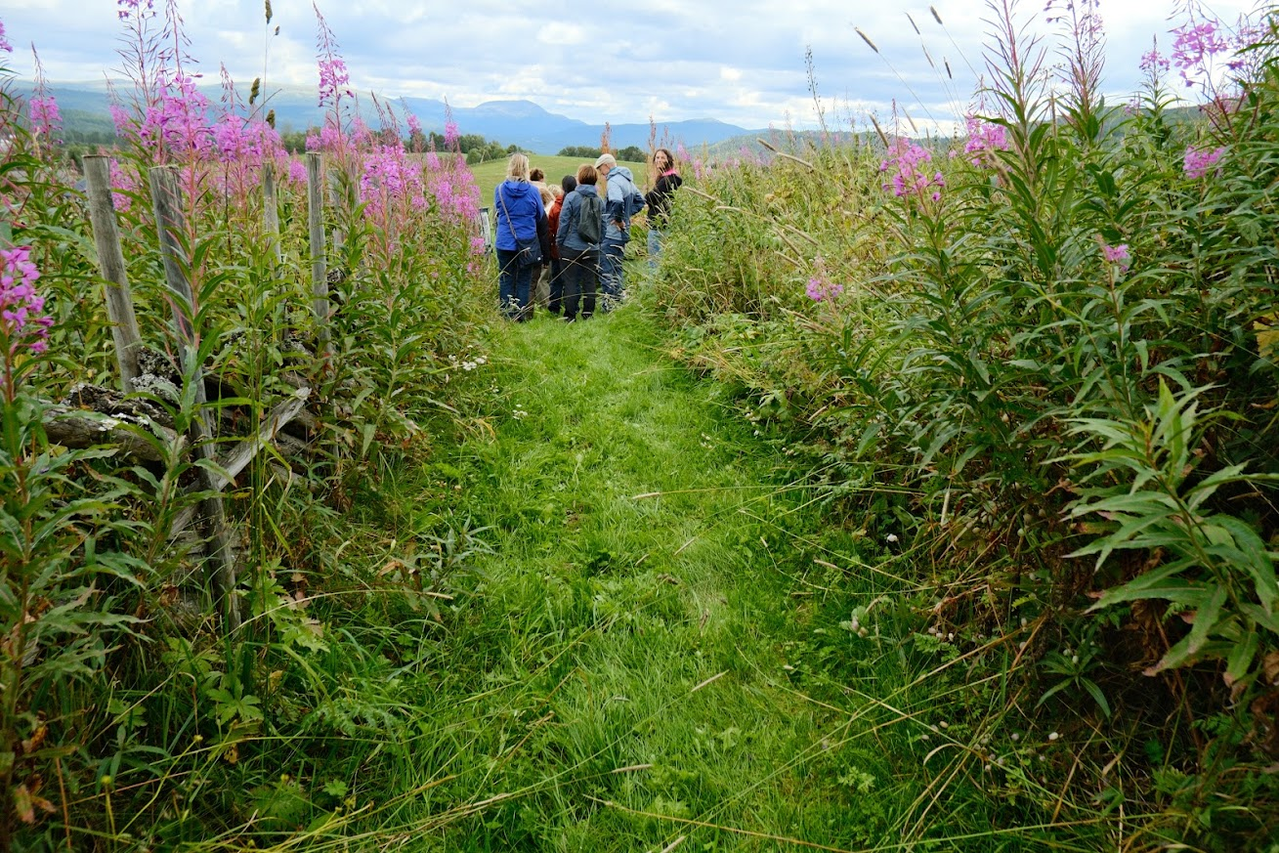
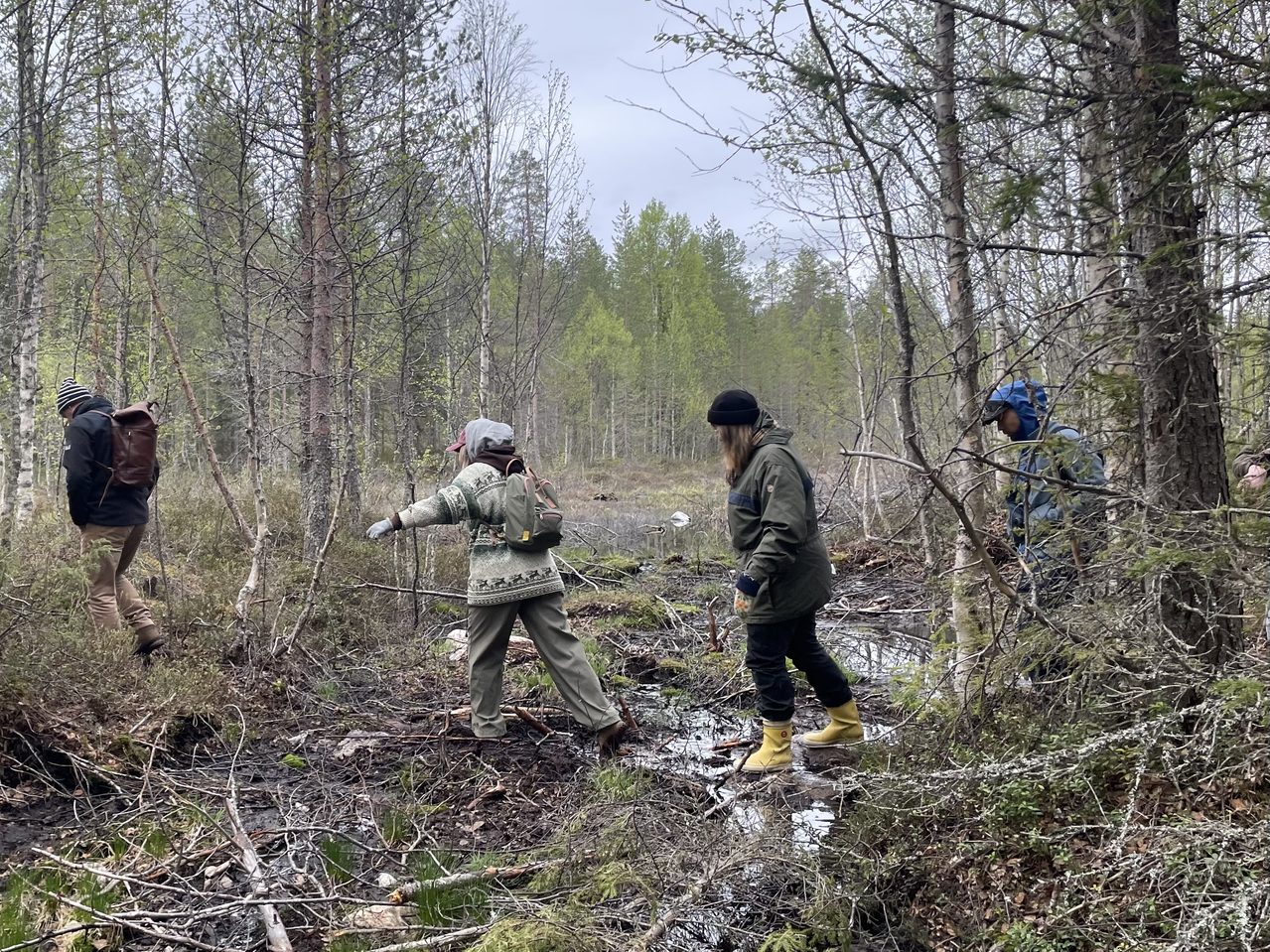
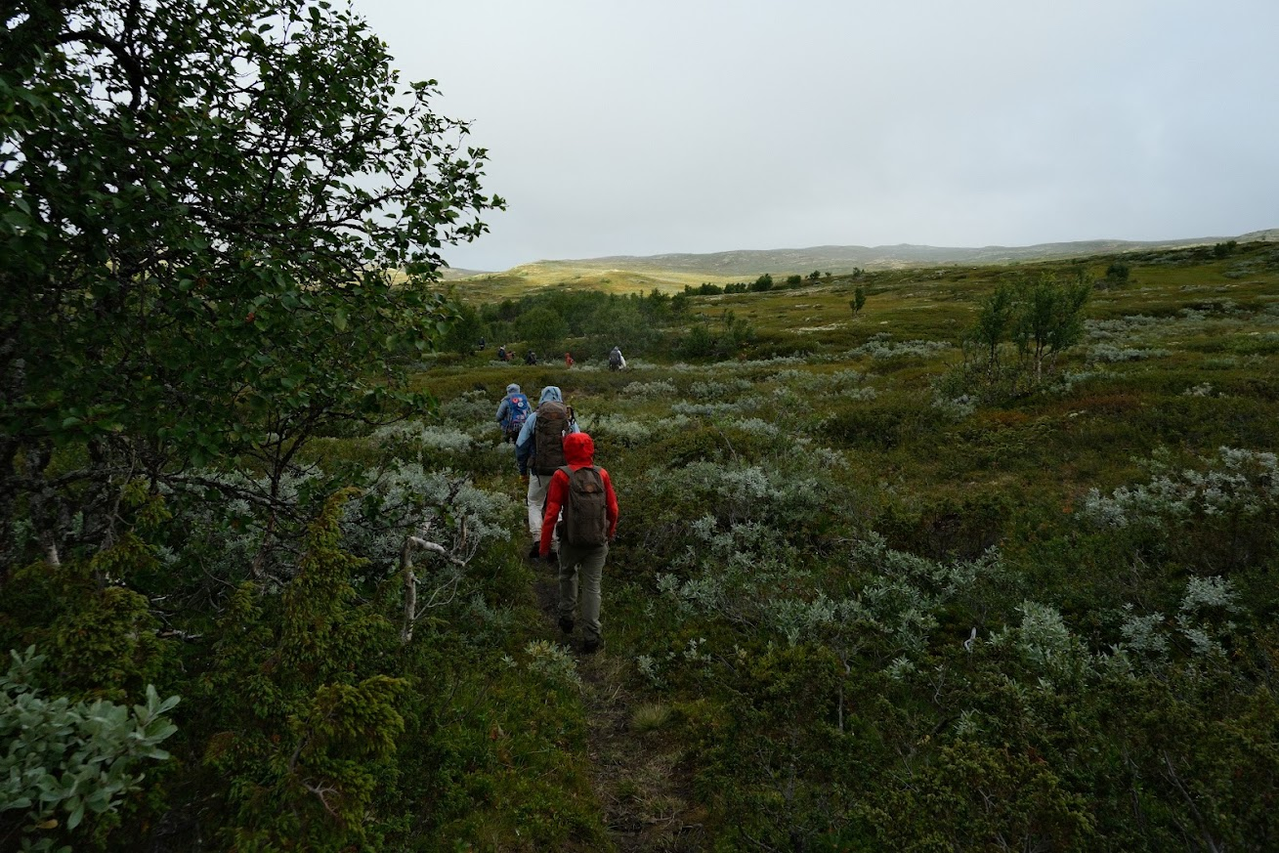
We do not have a definition for an ecological pilgrimage. Instead of a fixed destination we are embracing the journey and seeing where it takes us. There is no one way to do an ecological pilgrimage but we do believe it involves engaging with biodiversity in a meaningful way via the ancient yet mundane method of walking. We are open to learn as we go. Importantly, our teams approach as pilgrims departs from historical connotations of colonial expeditions or religious ceremonies. Instead we want to emphasize and explore a relational approach that links the concerns for human physical and mental health with the health of ecosystems and their non-human stakeholders. Learning from existing practices and traditions, we recognize that walking through the distance has been historically undertaken by pilgrims in search of spiritual significance and transformation, and in many Indigenous cultures, rites of passage serve to deepen relationships with the land. We think that ecological pilgrimage can begin from one’s own front porch.
What is the project Ecological Pilgrimage about?
Ecological Pilgrimage is a research project that draws theoretical and methodological guidance from ‘ecological reparation’ as a bottom-up, relational approach that seeks to mend damaged ecologies and bridge the nature-culture divide. The notion highlights transversal experimentation and the reinvention of lost knowledges, skills, and practices of repair. The project’s scientific objective is to develop and cultivate reparative practices that can transform human-nature relations and safeguard biodiversity in recreational settings. This objective is divided into three research questions: What can ‘Ecological Pilgrimage’ do as a methodological innovation? How can various stakeholders engage in reparative practices through walking interventions? How can ‘Ecological Pilgrimage’ be cultivated as an innovation for societal change?
Scientific background
Ecological Pilgrimage joins existing efforts within environmental humanities and social sciences that challenge the prevailing nature-culture dichotomy by highlighting the interdependency of human and nonhuman well-being and envisioning how biodiversity and human activity can co-exist in creative, reciprocal, and regenerative ways in Nordic recreation settings and beyond. This ambition is guided by sustainability scientists who emphasize the importance of a paradigm shift toward more relational perspectives as an effective leverage point for sustainability transformations in the era of ecological crises. We approach biodiversity loss, climate change, resource extraction, and pollution all as interlinked symptoms of a more profound relational crisis caused by a failure to cognitively recognise our entanglements and responsibilities with the nonhuman world – both on individual and societal levels. Instead of depending merely on the existing and emerging technological solutions, there is an urgent need for new ontologies, conceptualisations, approaches, and practices that can be used to repair the weakened relationships between natural ecosystems and human sociocultural worlds.