
Team and collaborators

Project Team
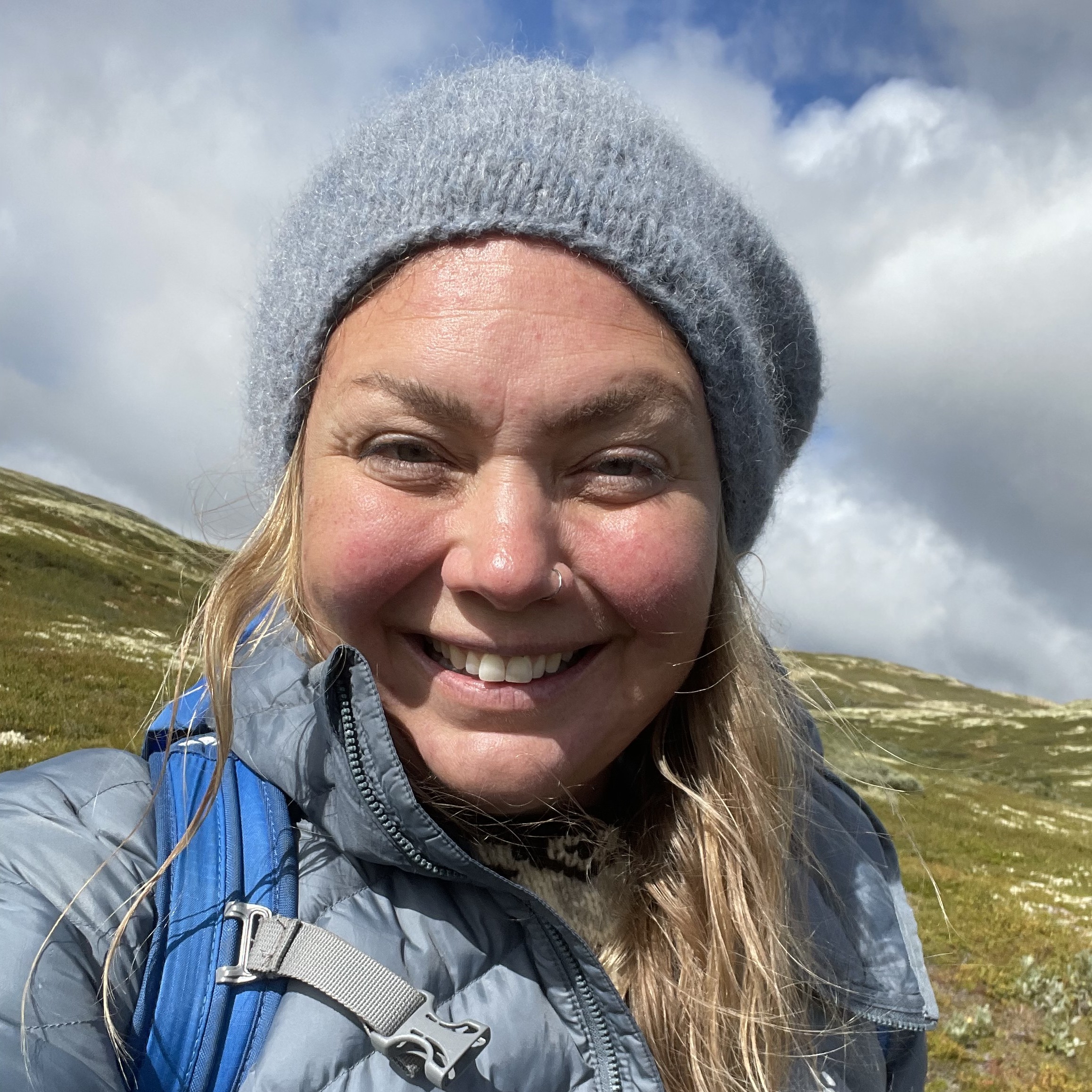
Emily Höckert (PI)
University of Lapland, Finland
Emily is a tourism researcher specialized in questions around ethics, hospitality, and multispecies storytelling in tourism settings. Together with the ILA group, her research explores how different kinds of hosts and guests – human and non-human – welcome and take care of each other amid ecological crises.
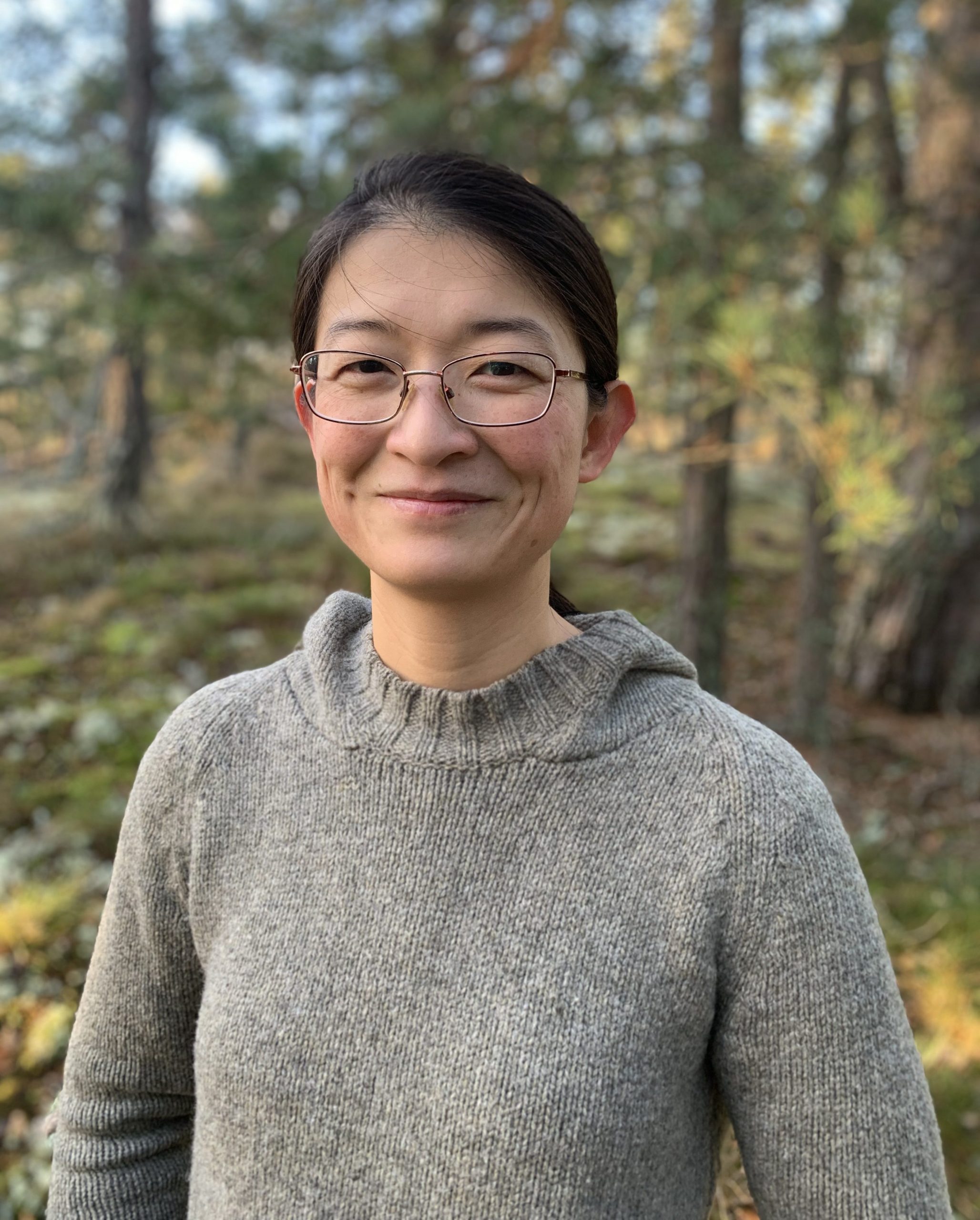
Jasmine Zhang
Swedish Centre for Nature Interpration (SLU), Sweden
Jasmine is a researcher at the Swedish Centre for Nature Interpretation, Swedish University of Agricultural Sciences. She is interested in the plurality, fluidity and ambiguity of human-nature relations and has done research to understand that in diverse contexts, such as nature-based tourism, rural development, natural resource management, knowledge co-production, and environmental communication. She coordinates Nature Interpretation Lab, a space for mutual learning and developing reflective practices together with researchers and practitioners.
https://www.slu.se/profilsidor/z/jasmine-zhang/
Francoise Martz
Your content goes here. Edit or remove this text inline or in the module Content settings. You can also style every aspect of this content in the module Design settings and even apply custom CSS to this text in the module Advanced settings.
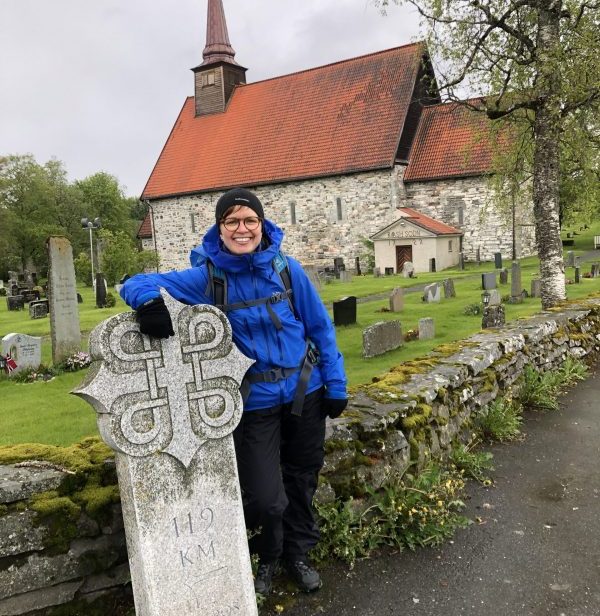
Guro Berge Vistad
National Pilgrimage Centre, Norway
Guro has an academic background in comparative religion, with a particular focus on the revival of pilgrimage in Norway. She has worked both operationally and administratively with the St. Olav Ways in Norway for more than ten years and is currently the acting head of the National Pilgrim Centre, a state-run public body responsible for pilgrimage development in Norway. She is also actively engaged in international collaboration within the European pilgrim route community.
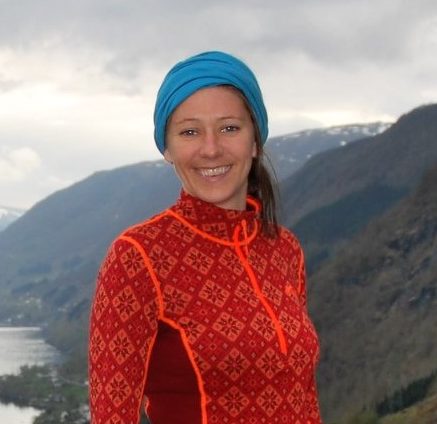
Lise Tingstad
Norwegian Institute for Nature Research (NINA)
Lise is a conservation biologist and ecologist. Recently, her work has been focused on conservation and nature monitoring, and the development of tools and national standards and protocols for nature management and conservation. When out in the field collecting data, which is an important part of her research, she is a vegetation ecologist by training, but with a broad ecological interest.
As a conservationist, she takes profound interest also in learning how people interact with nature, and how targeted communication and education can help make people more aware of nature, learn and be eager to learn about nature, and through that develop an intrinsic desire to take care of it.
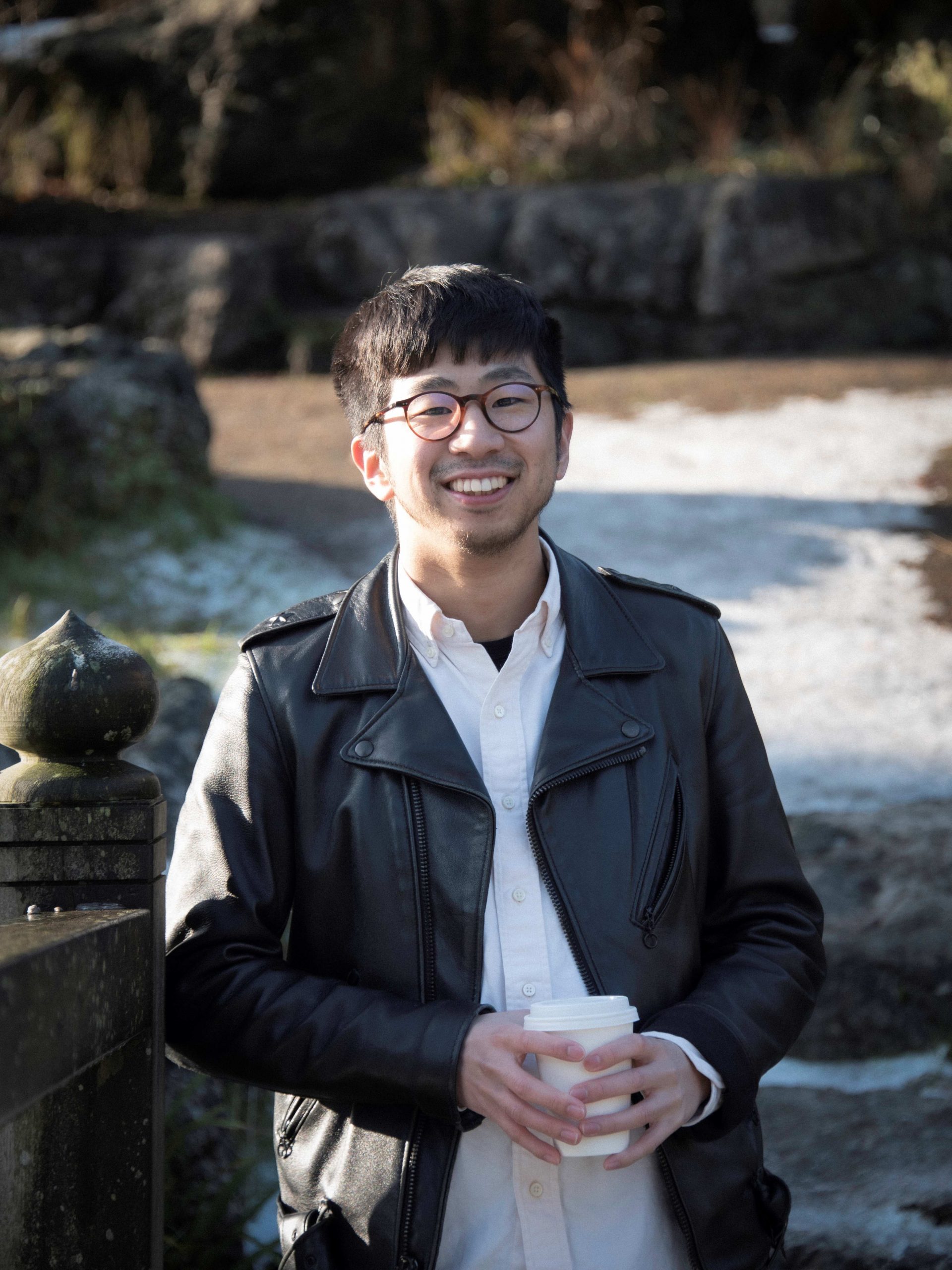
Daijiro Yamahishi
University of Lapland, Finland
Daijiro is a junior researcher and doctoral student in tourism studies at the University of Lapland. Previously, he served as a project assistant professor at Wakayama University, Japan, where he organized and developed community-based learning projects, namely the Local Partnership Program (LPP). His involvement in the LPP inspired his current PhD research, which explores educational encounters in/of tourism education. Drawing on post-humanist approaches and relational pedagogy, his work seeks to imagine and investigate alternative, caring, and relational ways of knowing and doing tourism.
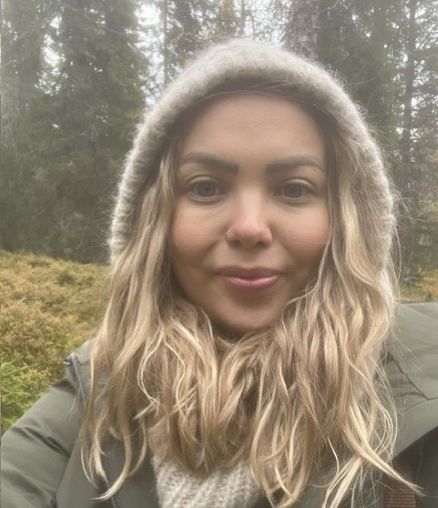
Anna-Emilia Haapakoski
University of Lapland, Finland
Ammi is a tourism researcher with an interest in slowness as a creative force in contemporary society. On her ongoing doctoral research, she explores slowness from the perspective of resistance to recognize how slowing down is enacted in relation to the dominant idea of development. She is attentive to the role of power in knowing and organizing our more-than-human relations. With the ILA group she is rethinking tourism in the time of ecological crises.
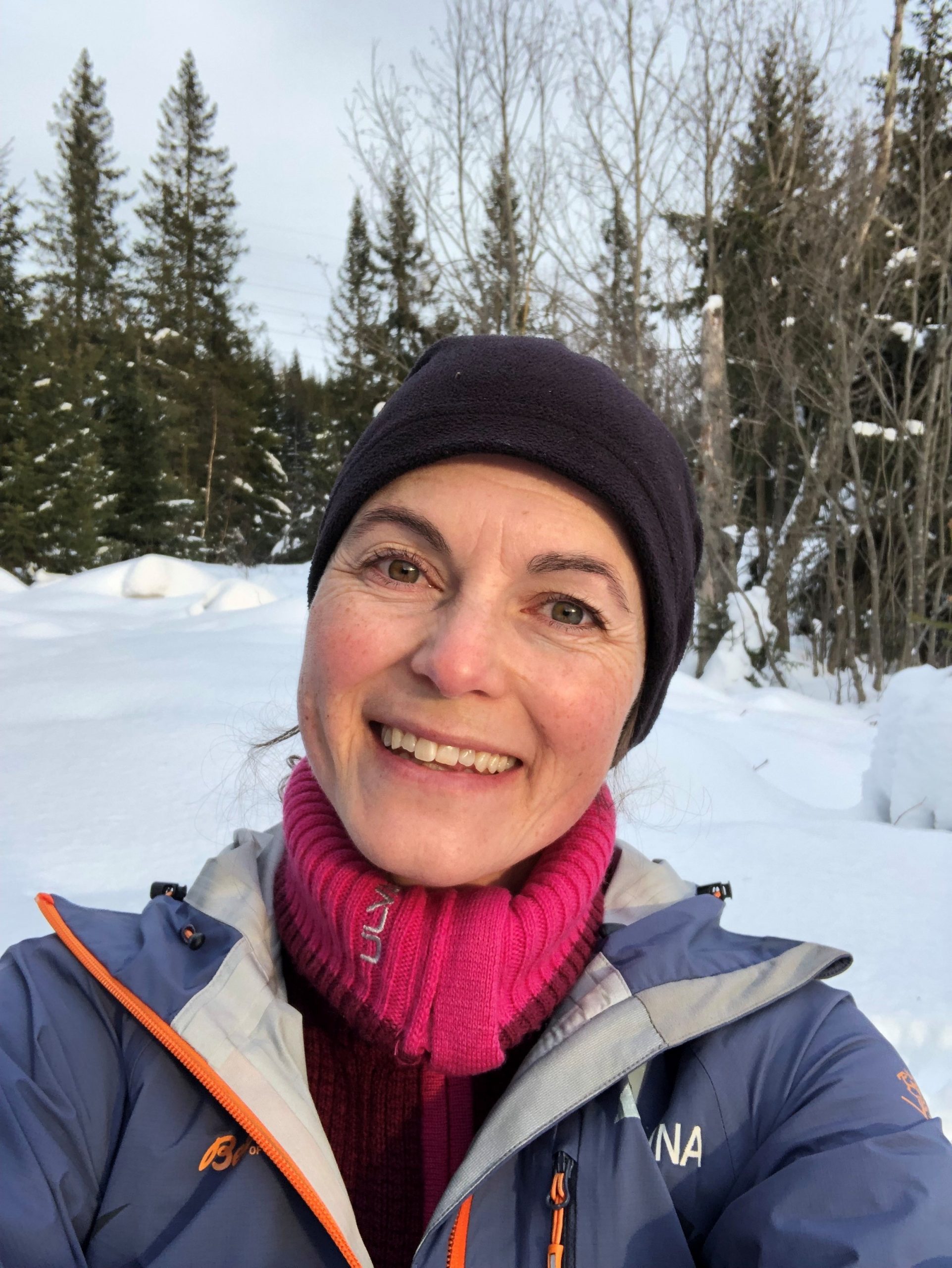
Stine Rybråten
Norwegian Institute for Nature Research (NINA)
Stine is a social anthropologist with an interest in human–nature relations and collaborative nature management processes grounded in Indigenous and local ways of knowing. Informed by relational perspectives and postcolonial thinking, she is attentive to the role of power, exclusion, knowledge-making and care in more-than-human practices. Collaboration across knowledge systems and disciplines is central to her work, reflecting a commitment to more inclusive and responsible ways of living within a shared, multispecies world.
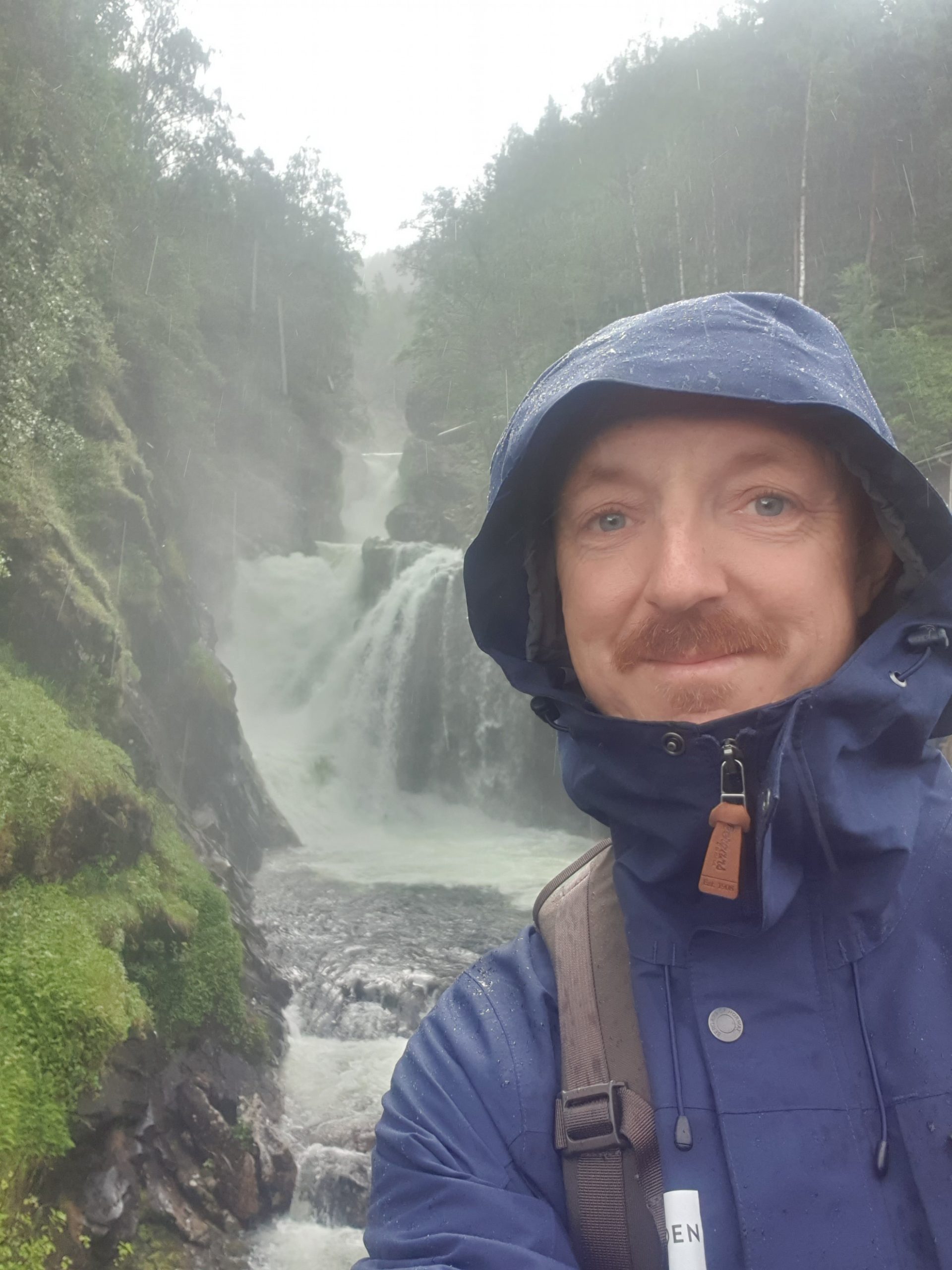
Mattias Jansson
National Pilgrimage Centre, Norway
Mattias holds a Master’s degree in nature-based tourism from the Norwegian University of Life Sciences (NMBU), with a specialization in the sustainable development of the St. Olav Ways in Norway. He has worked at the National Pilgrim Centre since 2013, where he is currently Director of Professional Affairs, leading the development of infrastructure and tourism. Mattias also has extensive and wide-ranging experience in general development work within nature-based tourism, including many years of professional practice as a nature guide in numerous countries.
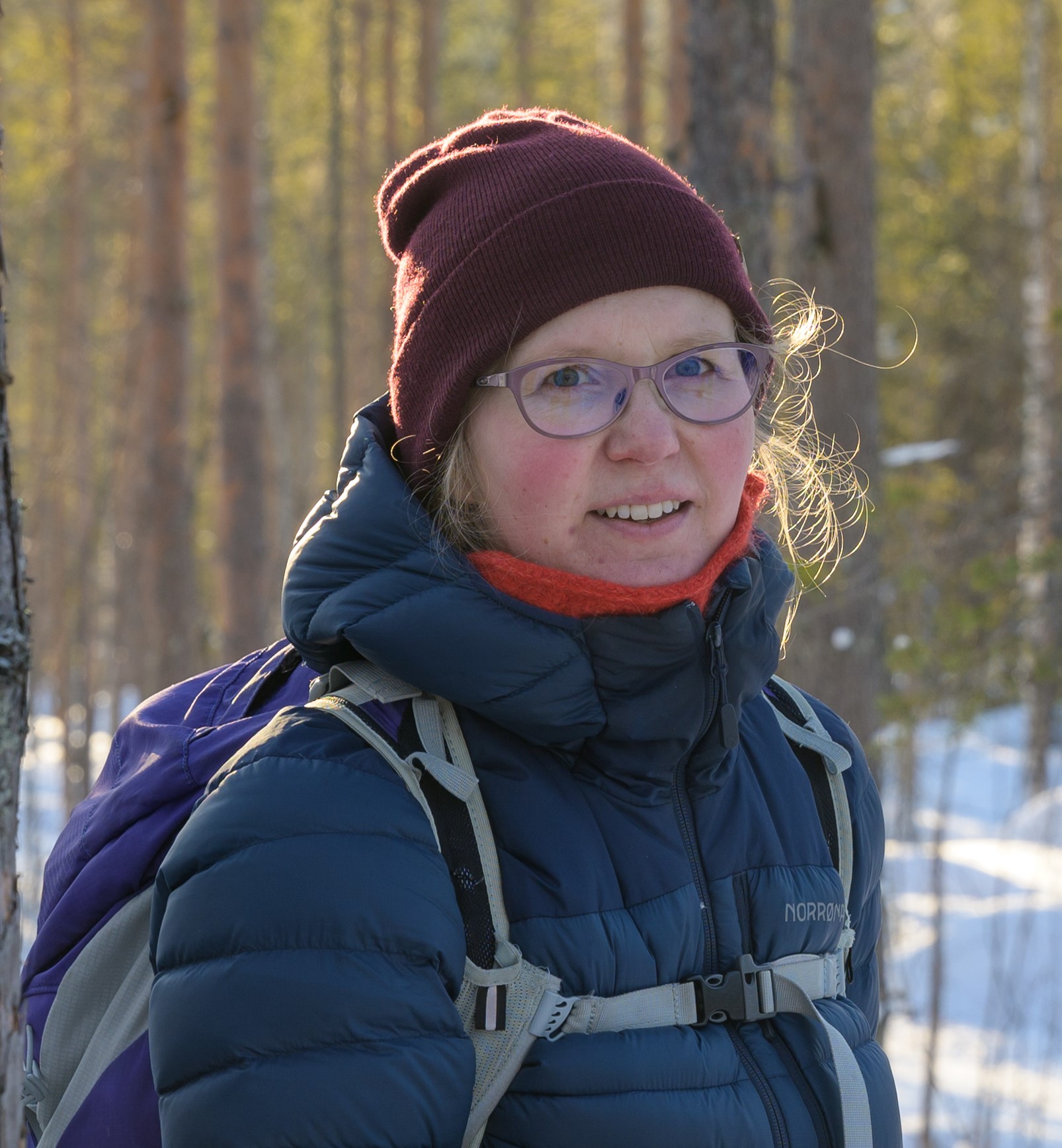
Outi Rantala
University of Lapland, Finland
Outi is a professor of Arctic tourism. She has focused in her research activities on creating critical, reflective and alternative narratives on northern tourism. What she enjoys most in the academia, is the collaboration with inspiring researchers and students from diverse backgrounds. With Outi’s lead the Intra-living in the Anthropocene (ILA) research group explores proximity as a caring and ecologically sound way of doing research.
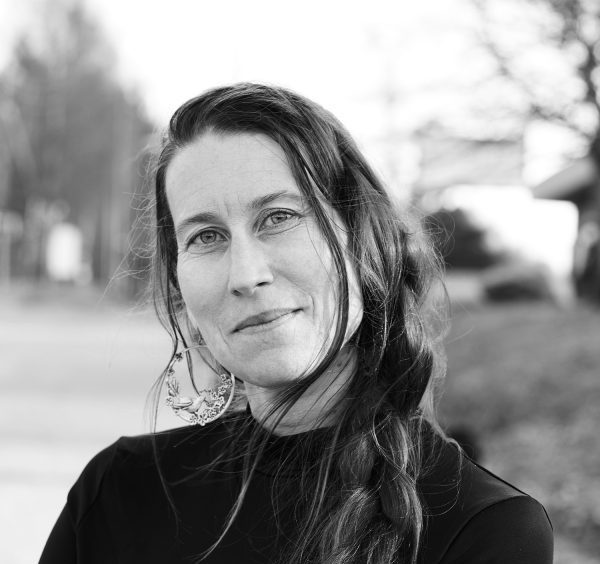
Tuva Beyer Broch
Norwegian Institute for Nature Research (NINA)
Tuva is a psychologically oriented anthropologist with a particular interest in people’s relations with more-than-human worlds, and how these relations are influenced by digital technologies and sensory experiences. Her work aligns closely with EcoPil’s focus on walking and sensing as restorative practices, foregrounding individuals’ embodied, affective, and relational engagements in nature. Tuva is committed to creative methodologies that enable intimate insights into lived experiences as they unfold in people’s daily lives.
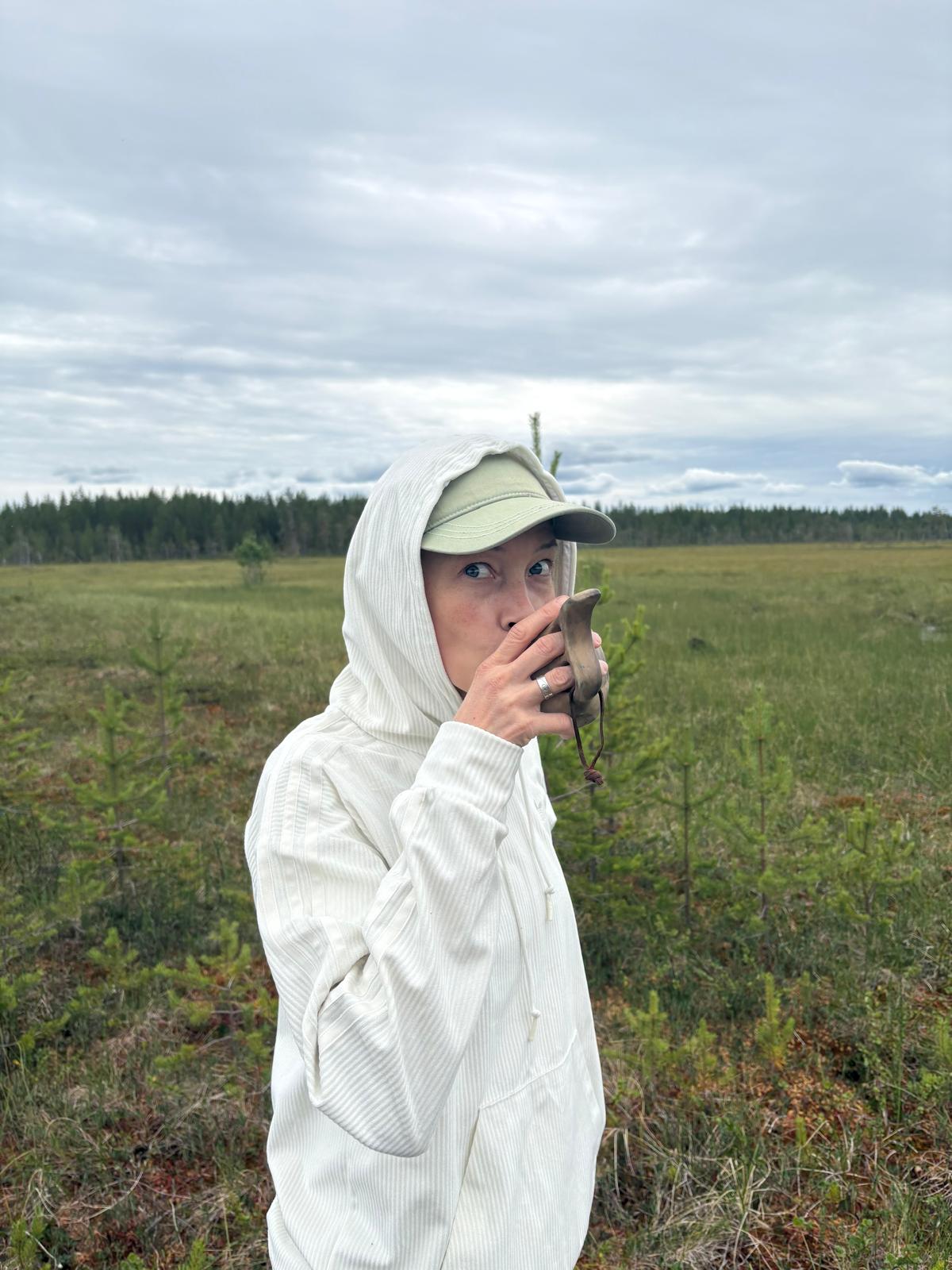
Salla Jutila
University of Lapland, Finland
Salla is a tourism researcher whose academic interests include a relational approach to inclusion, participation, local communities, and more-than-human worlds. Her ongoing doctoral research focuses on relational agencies in tourism in Lapland, particularly on the intertwined and entangled relationships between these agencies. Through her research, she aims to draw attention to the coexistence and reciprocity between various agencies. Together with her colleagues and the academic community she is rethinking tourism in the time of ecological crises.
Maxim Vlasov
Umeå University & Swedish Centre for Nature Interpretation (SLU), Sweden
Maxim is a researcher-practitioner with an interest in human–nature relations and cultural rewilding. In his current work, he explores whether and how learning and practicing traditional nature-based skills within contemporary outdoor education and recreation can nurture a sense of kinship with the more-than-human world and help us navigate social-ecological precarity. He is affiliated with the Swedish Centre for Nature Interpretation (SLU) and Umeå University.
https://www.umu.se/en/staff/maxim-vlasov/
Elva Björg Einarsdóttir
University of Iceland
Elva is a postdoctoral researcher at the University of Iceland. Her research is in the field of tourism studies, where she focuses on new materialism and proximity studies, and emphasises walking as a research method and a societal innovation to raise awareness of biodiversity.
Eva Gielen
Umeå University, Sweden
Eva works as a researcher, as well as wilderness guide. She holds degrees in Biomedical Science and Global Health, complemented by extensive experience and training as a nature guide and facilitator. She is passionate about weaving together planetary health and human wellbeing, recognizing the deep interdependence between ecological systems and our own health. Eva’s work explores our roots and instincts through ancestral practices, survival skills, and eco-psychology. Her teaching and research invites people to reconnect with the natural world in ways that are both scientifically informed and deeply embodied.
Minna Nousiainen
University of Lapland, Finland
Minna holds a master’s degree in Northern Tourism from the University of Lapland, where she currently work as a university teacher. Her research interests lie in nature-based tourism and outdoor recreation, with a particular interest in local practices and relational understandings of human–nature connections. In her doctoral research, she examines how everyone’s rights, the Nordic tradition of freedom to roam, are practiced and negotiated within changing socio-ecological relations. In her spare time, Minna enjoys spending time outdoors, cross-country skiing, cycling, walking in the forest, or simply enjoying the flow of the river. And her world would not be the same without music.
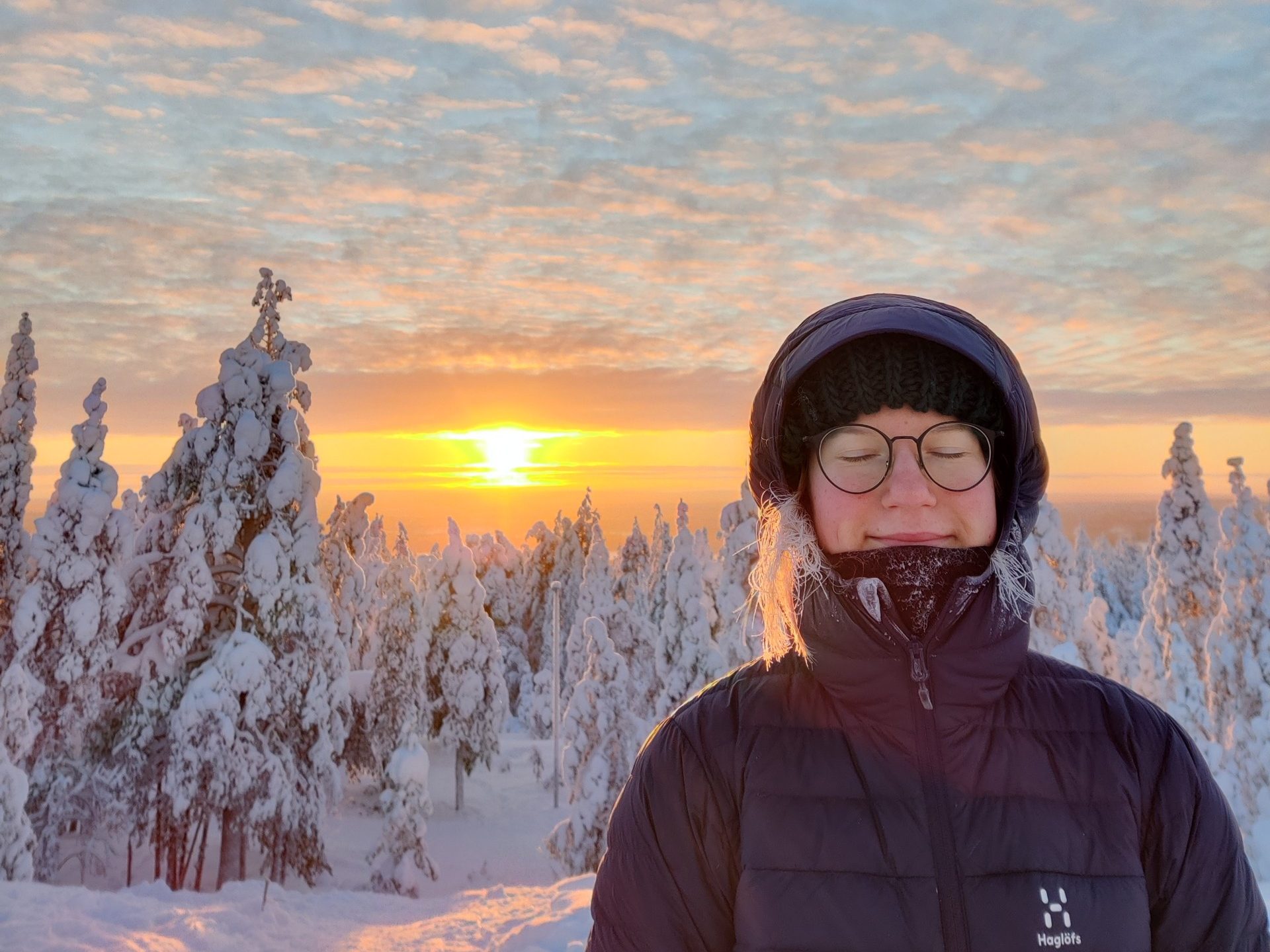
Juulia Tikkanen
University of Lapland, Finland
Juulia is a doctoral researcher in tourism research at the University of Lapland. Her PhD explores utopia as a way of imagining-with through methodological and pedagogical approaches related to tourism futures. Besides utopia, she conducts research on tourism degrowth. For her, the inspiration stems from those who dare to imagine differently, as alternative futures are possible. Collective imagining-with challenges individualism and anthropocentrism, and aims to bring different actors together to think, imagine, and discuss futures that concern everyone. She spends her free time in the nearby forests of Pöyliövaara and Ounasvaara in Rovaniemi, as well as on the coastline and mountains of Senja, Northern Norway. Juulia Tikkanen – Lapin yliopiston tutkimusportaali
Research Collaborators
Text here
Text here
Text here
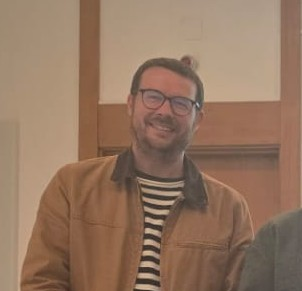
David Ross
Lecturer in Tourism, University of Azores, Portugal
David holds a BA in Anthropology Applied to Development (University of Tras-os-Montes and Alto Douro – PT) and a PhD in Management (University of Hull – UK). His teaching and research have focused on sustainable tourism, cultural heritage, and the tourist experience. His current research interests include the role of tourism in regenerative approaches to natural and cultural heritage, critical tourism studies and the ethics of tourism.